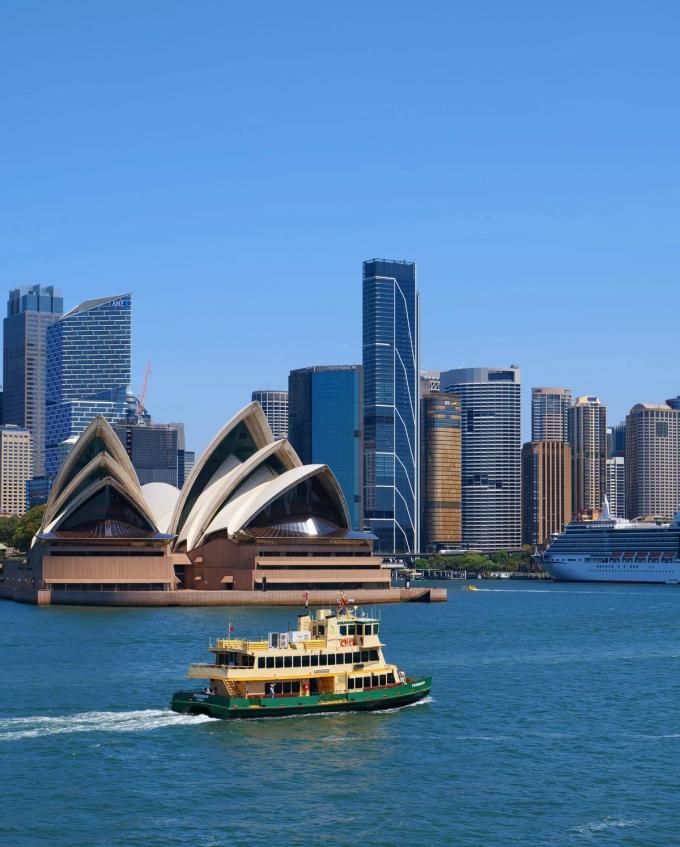
Australia in short
How the radio landscape is shaped, and what that means for a plan.
Five cities carry most of the audience
Australia concentrates its population into a small number of coastal metros, which makes radio planning here refreshingly direct: pick the cities the business trades in and buy them properly. Commutes are long by developed-market standards, so drive-time inventory does real work, and the metro networks are established enough that station identity is a genuine planning input rather than a rounding error.
Where your campaign runs in Australia
Each city is its own station list and its own audience, so they are planned separately.
The largest Australian metro, with long commutes and strong station loyalty.
Radio advertising in Sydney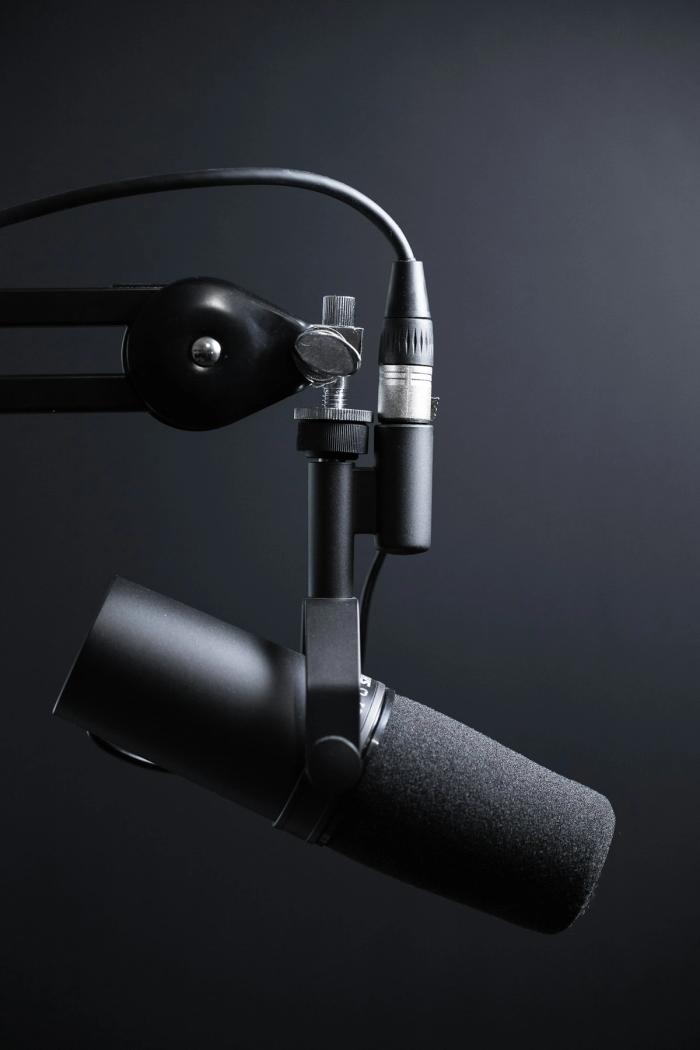
A comparable metro audience with an events calendar campaigns can ride.
Radio advertising in Melbourne
The fastest-growing major metro, with rates below Sydney and Melbourne.
Radio advertising in BrisbaneWhy radio works in Australia
Three things about this market that make the medium punch above its cost.
A concentrated population
A short list of metros covers most of the country, so budgets are not spread thin chasing coverage
Long commutes in the car
Drive time is a substantial daily window rather than a brief peak
Established station identities
Listeners have real loyalty to particular stations, which a campaign can borrow rather than build
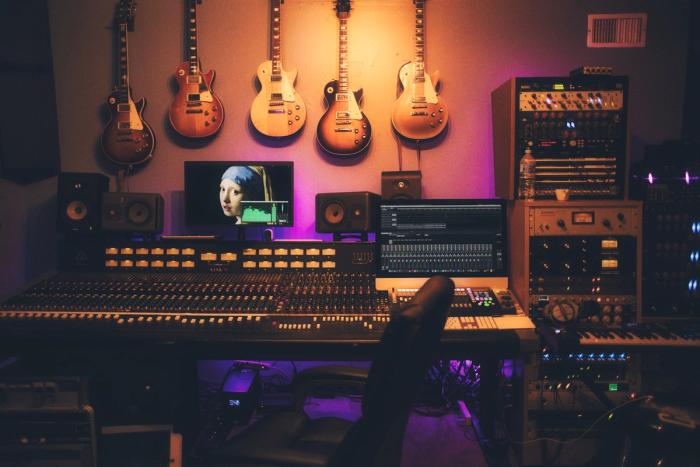
Formats available in Australia
The same five formats everywhere we plan. Availability is confirmed per station and campaign period.
Plan my formats
Recorded spot or jingle
Fifteen, twenty or thirty seconds, scheduled across the dayparts that match your audience.

Presenter mention
Read inside the programme by the presenter that audience already listens to.
Time check or feature
A fixed position in the day: the time check, the traffic report, the weather.
Programme sponsorship
Sponsor billing across a show for a defined period, with included spots and sponsor lines.

Multi-language audio
One offer, written separately for each language rather than translated across.
Match the goal to the format
A shortcut for narrowing the choice before you speak to anyone.
| Goal | Recommended format | Why |
|---|---|---|
| Launching a brand or a store | Recorded spot | Repetition builds recall, and a spot is what you can afford to repeat |
| Something that needs explaining | Presenter mention | A trusted voice can take thirty seconds to make a case a jingle cannot |
| An offer running for a fortnight | Spot burst across dayparts | Weight inside the window, then it stops cleanly |
| Owning a moment in the day | Time check or feature | The same slot daily is how a brand joins the routine |
| Reaching one language community | Station-led buy | The station is already the segment |
| A long association, not a burst | Programme sponsorship | The audience attaches you to a show they chose |
Radio stations in Australia
Real stations with published packages. Every campaign is quoted against current availability.

A Welcome package starts from AUD 995, on Golden Days Radio 95.7fm, a community station serving Melbourne.
Radio Advertising in Golden Days Radio (GDR 95.7fm)
Spots start from AUD 105, on Rebel FM, a 100 percent rock network across the Gold Coast, regional Queensland and northern New South Wales.
Radio Advertising in Rebel FM
Spots start from AUD 105, on The Breeze, an easy-listening network across the Gold Coast, regional Queensland and northern New South Wales.
Radio Advertising in The BreezeAustralia radio advertising, answered
Which cities should I start with?
Wherever the business already trades. Sydney and Melbourne carry the largest audiences but are not automatically the right first buy.
Is national coverage possible?
Yes, by combining metro schedules. It is bought as a set of markets rather than as one national booking.
Does breakfast or drive work better?
It depends on the message. Breakfast for awareness, drive for anything the listener could act on that evening.
Get your Australia station plan.
Send the audience, the languages you need, your dates and a budget range. You get back a station shortlist with time bands, formats and current quoted rates.