Radio advertising that puts your brand message on air during peak listening moments
Radio advertising planned and bought across 37 markets, real stations, real rates, one team from brief to proof of posting.


What you are getting
The offer, the coverage and the people behind it, in five lines.
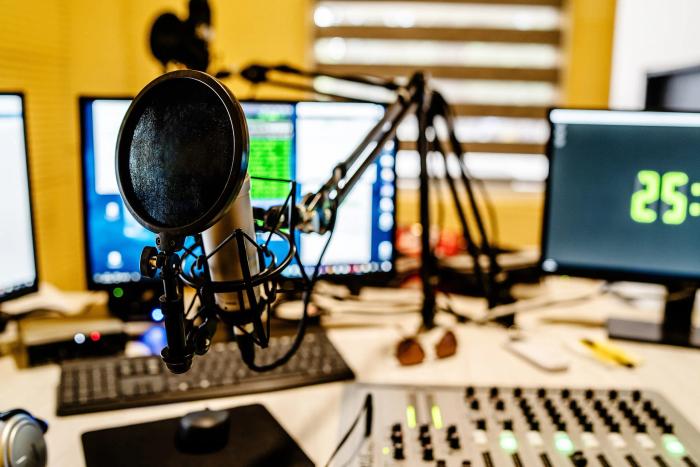
A screen can be ignored. A radio ad arrives mid-sentence.
Radio reaches people while they are doing something else, which is exactly why it gets through. There is no feed to scroll past and no tab to close.
It runs where attention already is
- •The commute, the kitchen, the shop floor, the site office
- •Radio does not ask anyone to stop what they are doing, which is why it still reaches people who have opted out of almost everything else
A familiar voice does the selling
- •A presenter mention carries the trust the presenter has already built with that audience
- •It is the closest thing paid media has to a recommendation, and it costs a fraction of what that implies
Frequency you can actually afford
- •Radio buys repetition rather than spectacle
- •A schedule that hits the same listener several times a week across a fortnight is within reach of budgets that would buy one week of outdoor
Language is a targeting tool
- •In a market like the UAE, the station is the segment
- •Arabic, English, Hindi, Malayalam, Filipino and Persian audiences each sit on their own frequencies, so the language choice does the targeting for you
Five ways onto the air
The format can vary market to market while the campaign promise stays the same.
Plan my formats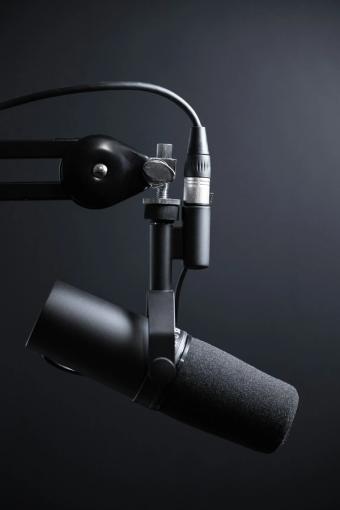
Recorded spot or jingle
Brand recall, offers and launches. Planned around message length, repetition, voice and music.

Presenter mention
Explanation in a voice the audience already trusts. Planned around programme, presenter, script and pronunciation.

Time check or recurring feature
A recognisable position across the day. Planned around feature timing, message length and frequency.

Programme sponsorship
Association with a show and its audience community. Planned around period, included spots and sponsor lines.

Multi-language audio
One campaign across language audiences. Planned around the master offer, local phrasing, voices and durations.
Match the goal to the format
A shortcut for narrowing the choice before you speak to anyone.
| Goal | Recommended format | Why |
|---|---|---|
| Launching a brand or a store | Recorded spot | Repetition is what builds recall, and a spot is what you can repeat |
| Explaining something that needs explaining | Presenter mention | A trusted voice can take thirty seconds to make a case a jingle cannot |
| An offer that runs for a fortnight | Spot schedule across dayparts | Weight and frequency inside the window, then it stops cleanly |
| Owning a moment in the day | Time check or feature | The same slot every day is how a brand becomes part of the routine |
| Reaching one language community | Station-led buy | In a multilingual market the station is already the segment |
| A long association, not a burst | Programme sponsorship | The audience attaches you to a show they have chosen to listen to |
Advertise by country
The UAE is published with a station-level inventory behind it. Every other market carries a profile of how its radio landscape works, with the station list built against your brief.
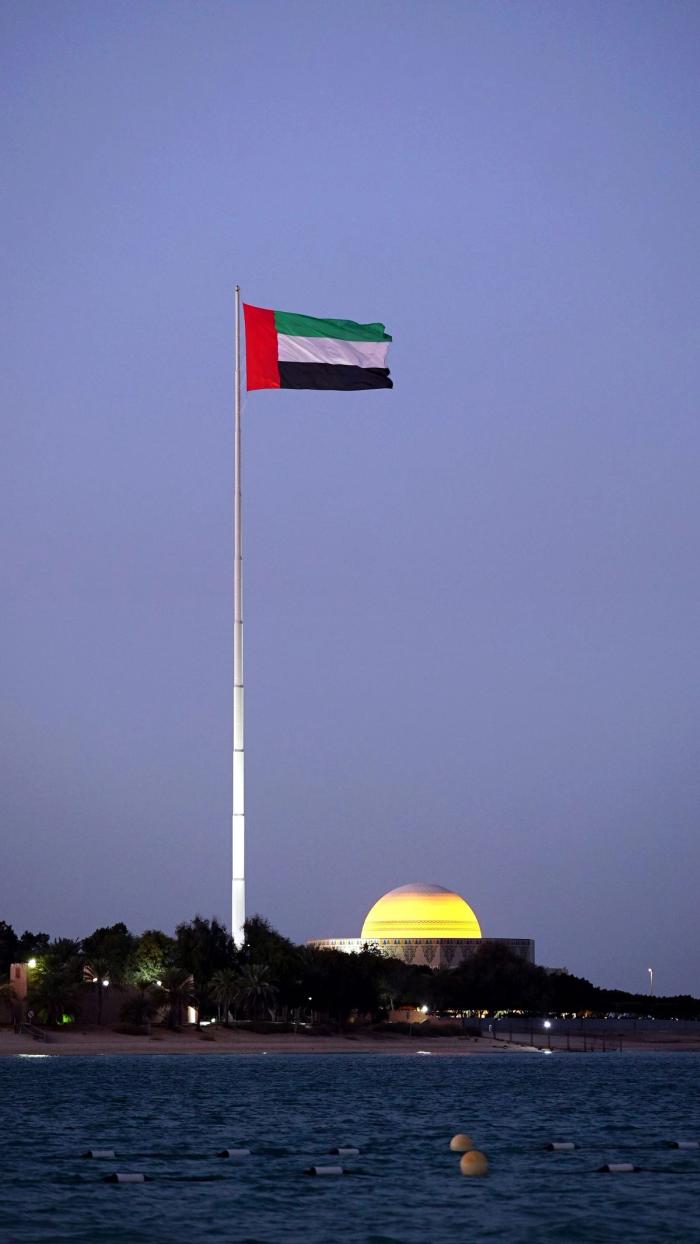
National planning across Arabic, English, Hindi, Malayalam, Filipino and Persian station audiences, with Dubai, Abu Dhabi and Sharjah underneath it.

Private FM across more than a hundred cities, in Hindi and a dozen regional languages.
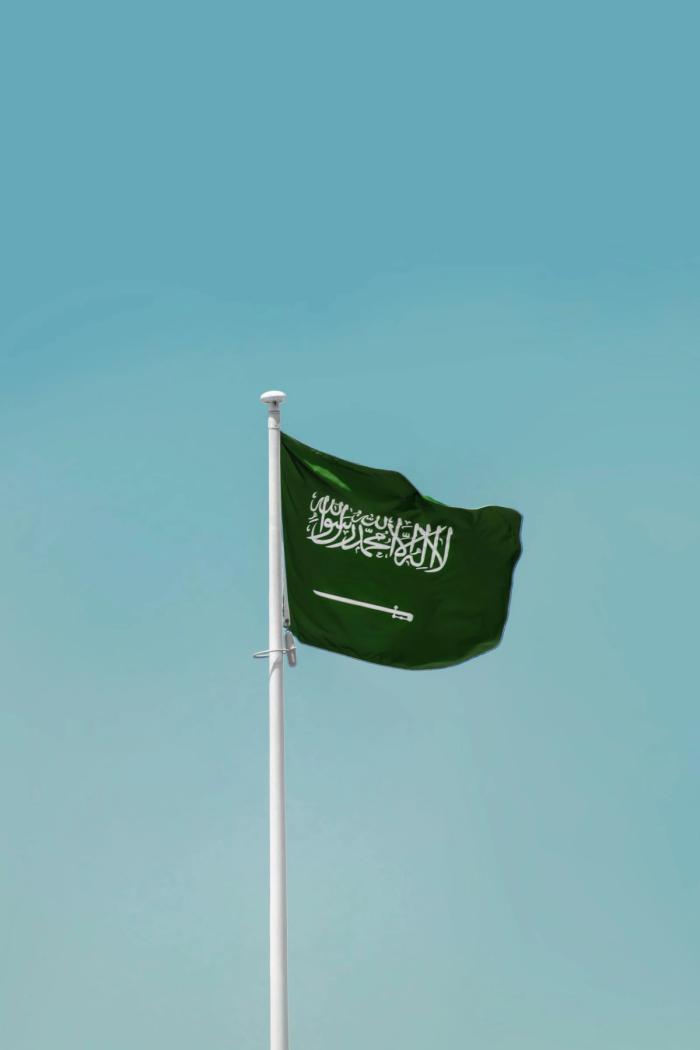
A young, Arabic-first audience that spends a lot of its week driving.
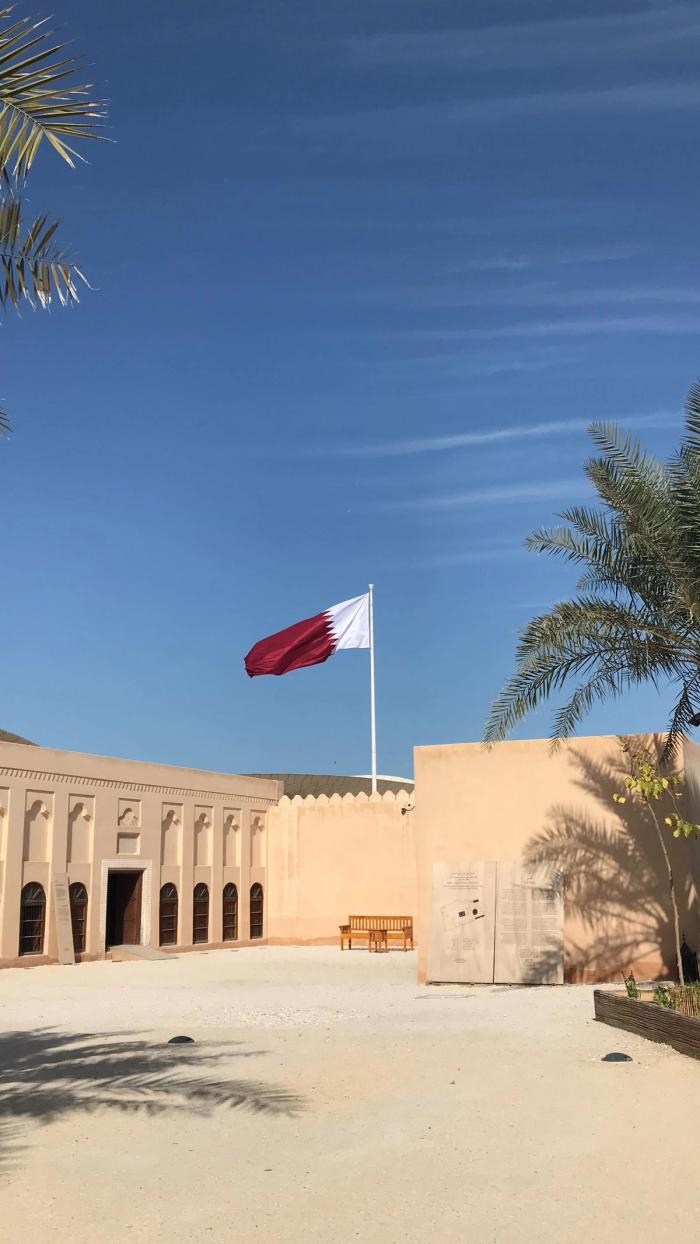
A compact market where a handful of stations covers most of the population.
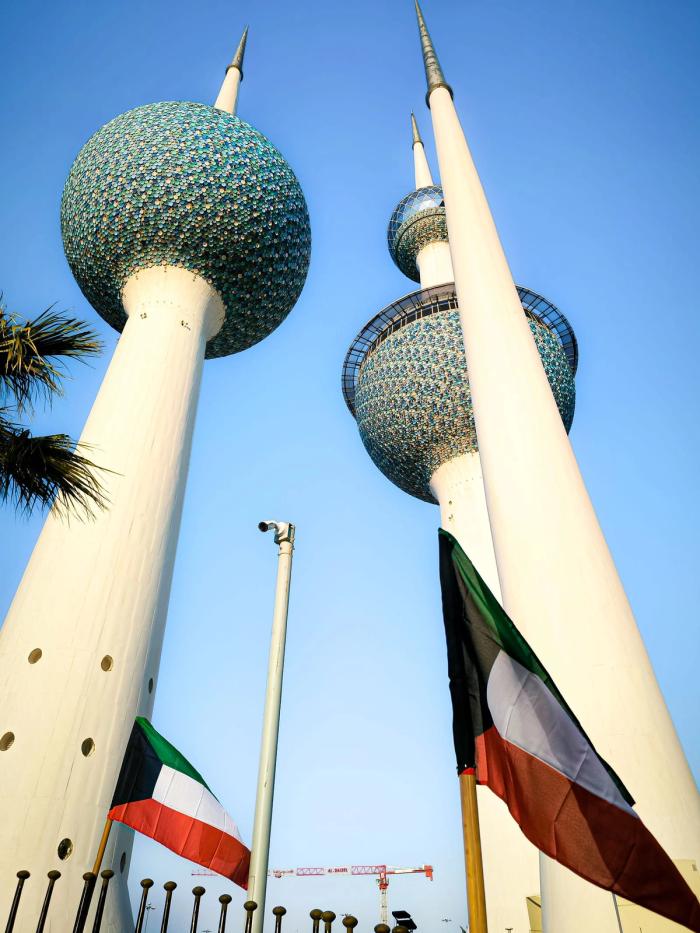
Long coastal drives and a mixed Arabic, English and South Asian listenership.
A dense, car-dependent market where one schedule reaches most of the country.
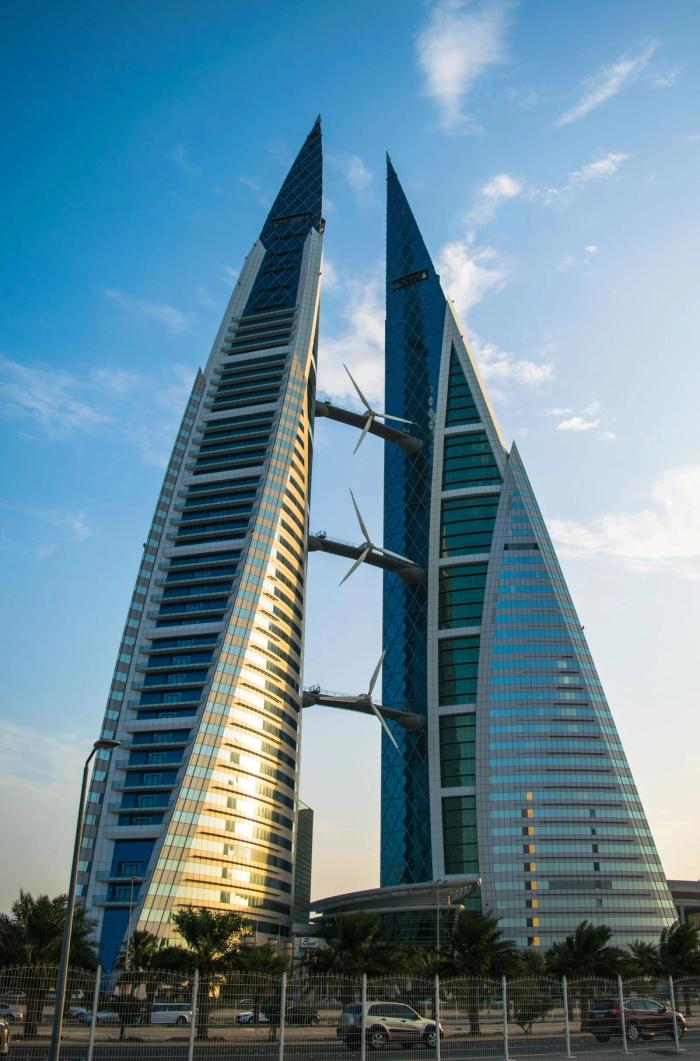
A compact island market with heavy causeway commuter traffic.

A very large Arabic-speaking audience with commercial FM concentrated in Cairo.
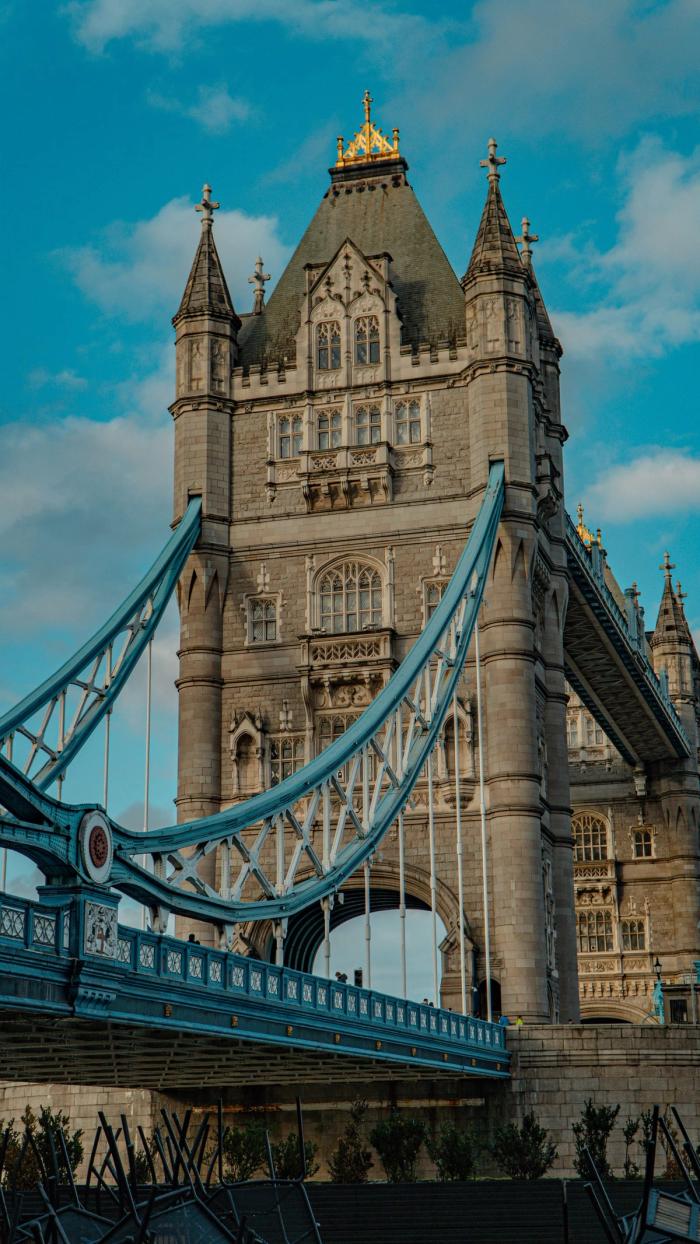
A heavily measured market with national networks and strong regional stations.
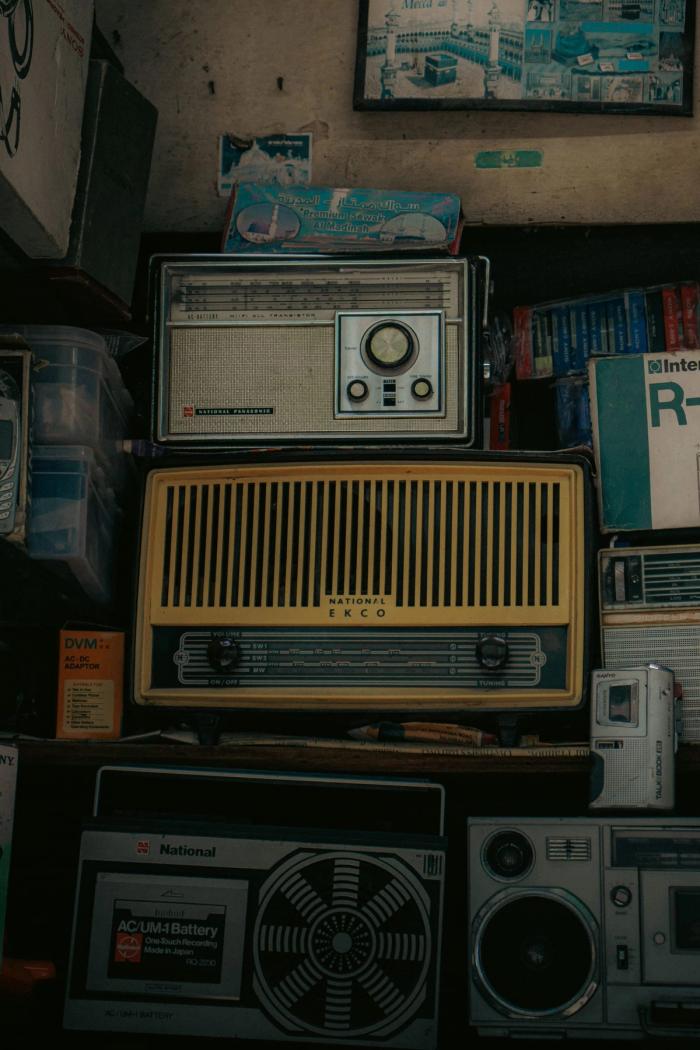
Bought market by market, with a large Spanish-language audience alongside English.

Metro markets with strong commercial networks and a long daily commute.
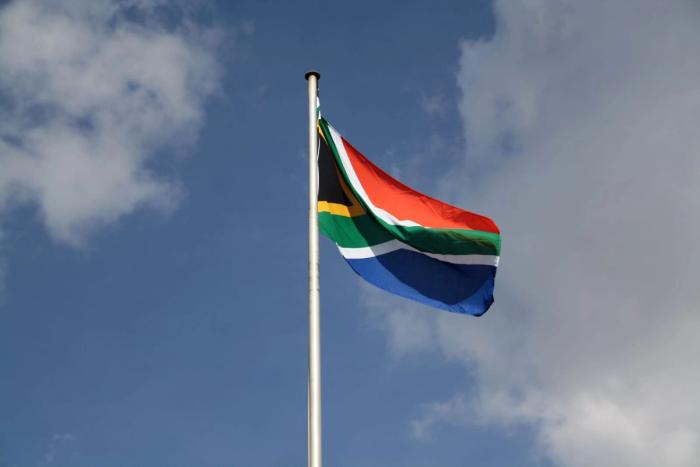
Radio reaches further here than almost any other medium, across eleven official languages.
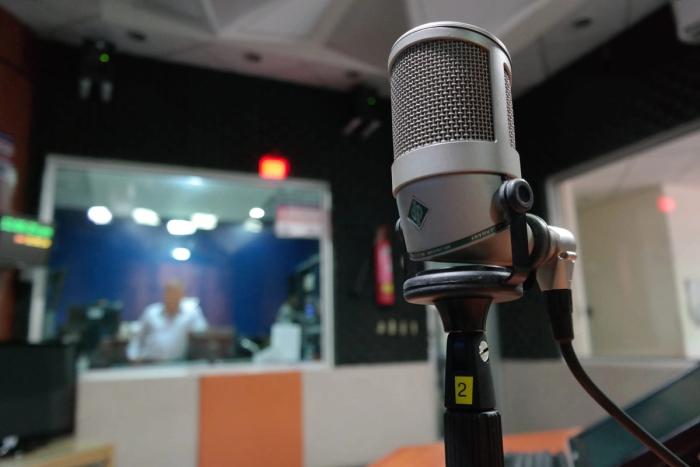
Radio is the most widely consumed medium in the country, in Swahili, English and regional languages.
A very large radio audience across English, Hausa, Yoruba and Igbo.

A compact four-language market where one schedule reaches the whole country.
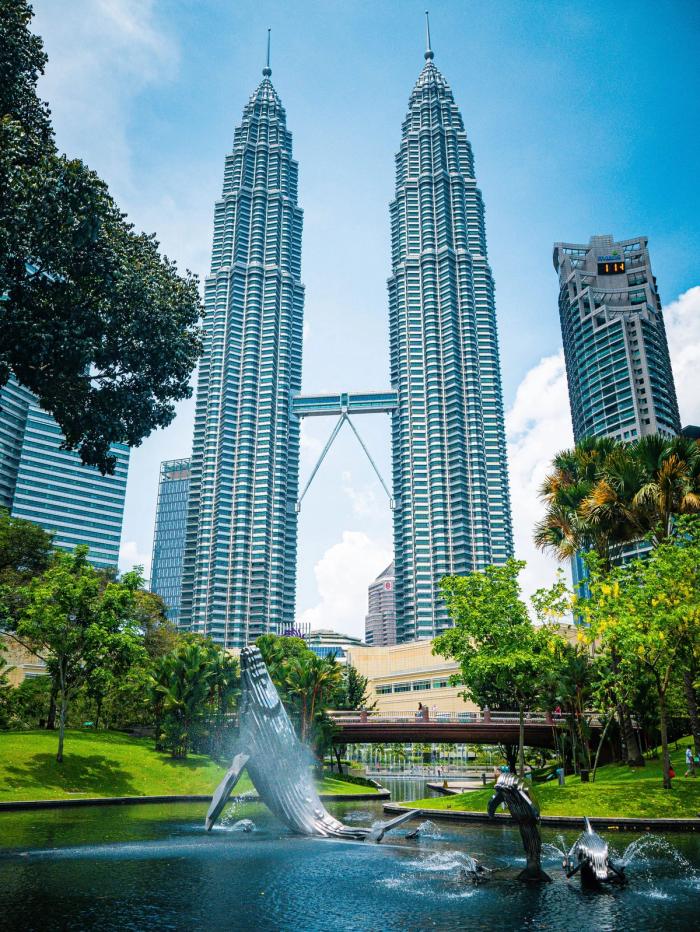
A four-language market with strong network radio and a long Klang Valley commute.
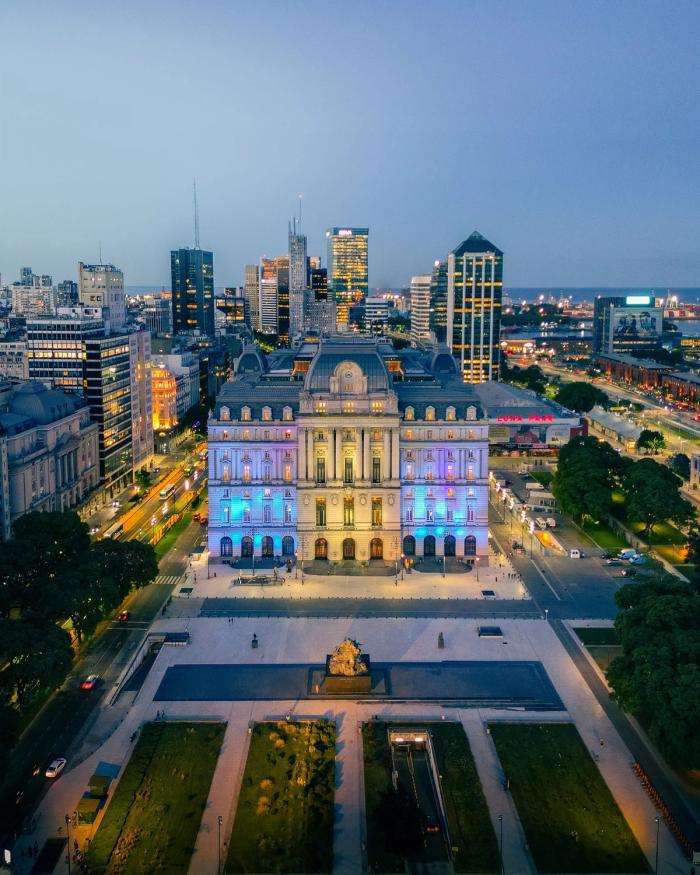
A country of provincial radio markets, each with its own AM heritage station and FM alternatives.
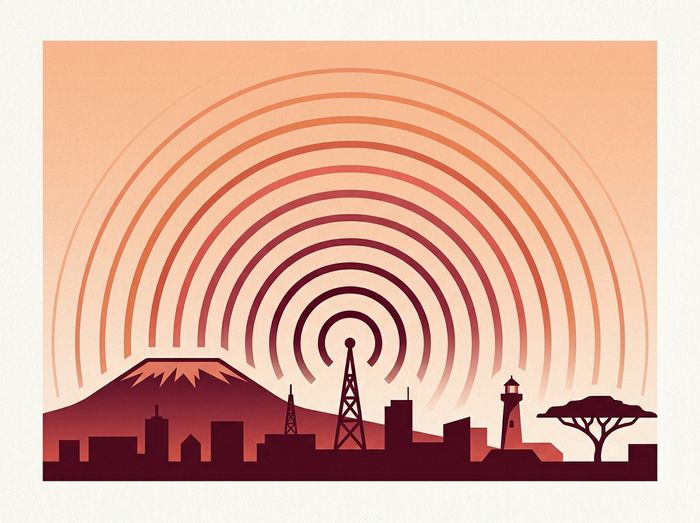
A Swahili-first market spread across mainland regional capitals and the Zanzibar coast.
Commercial FM radio centred on Kyiv, in Ukrainian.

Regional and network radio split between the North and South Islands, English-language throughout.

A Spanish-language mainstream market, plus dedicated English-language stations along the coasts for British residents and tourists.

A regionally organised radio market where each city has its own leading station.

A compact, English and Setswana radio market centred on Gaborone.
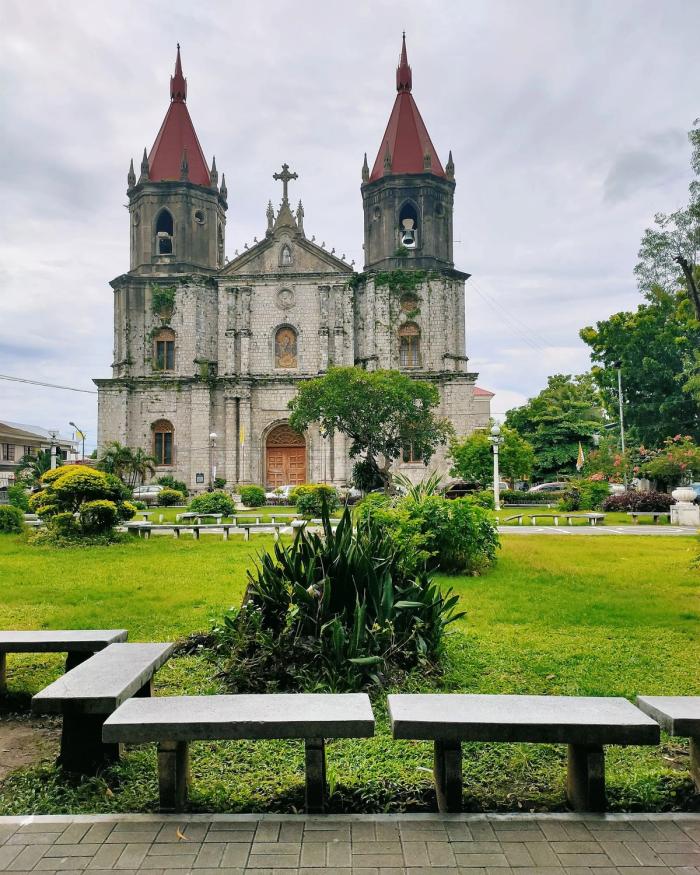
A large, densely populated market spanning English and Tagalog stations, with a strong tradition of community and Christian radio.
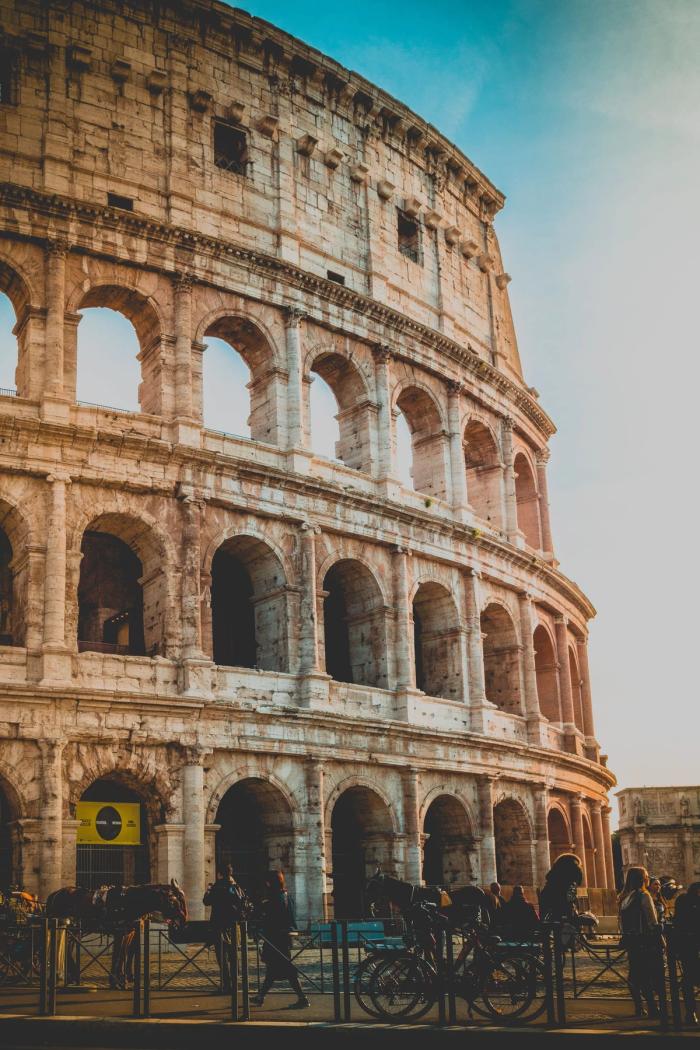
A regionally-flavoured Italian-language market, increasingly built on DAB+ digital alongside FM.
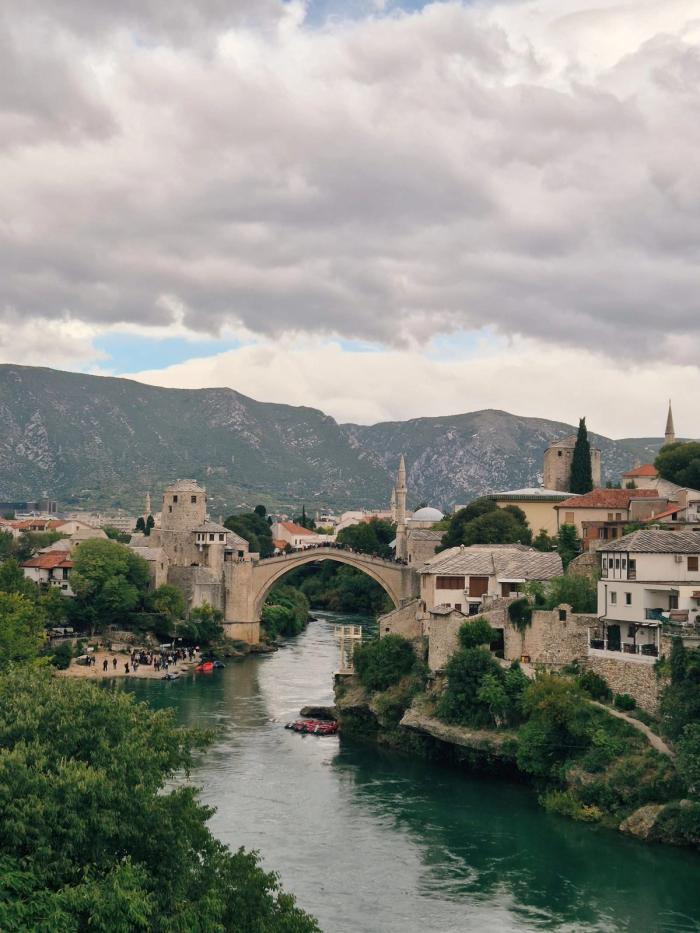
A commercial radio market spread across Sarajevo, Zenica and Tuzla, with programming split by the country’s main language communities.

A market anchored by the Copperbelt’s industrial cities alongside the capital.
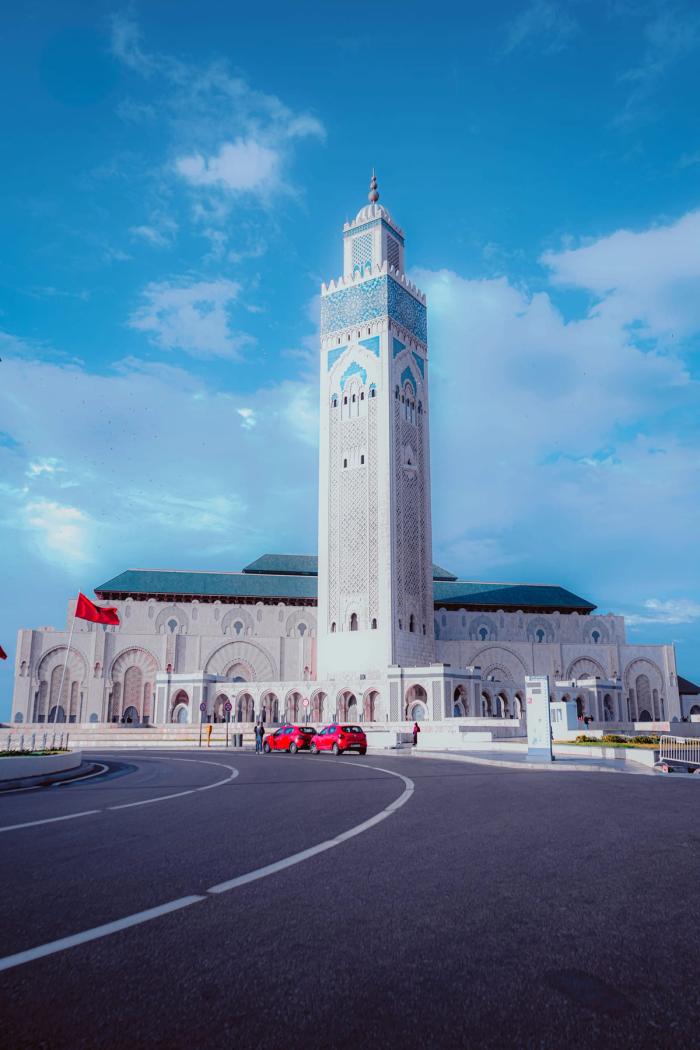
A bilingual Arabic and French market with a strong tradition of national commercial radio.
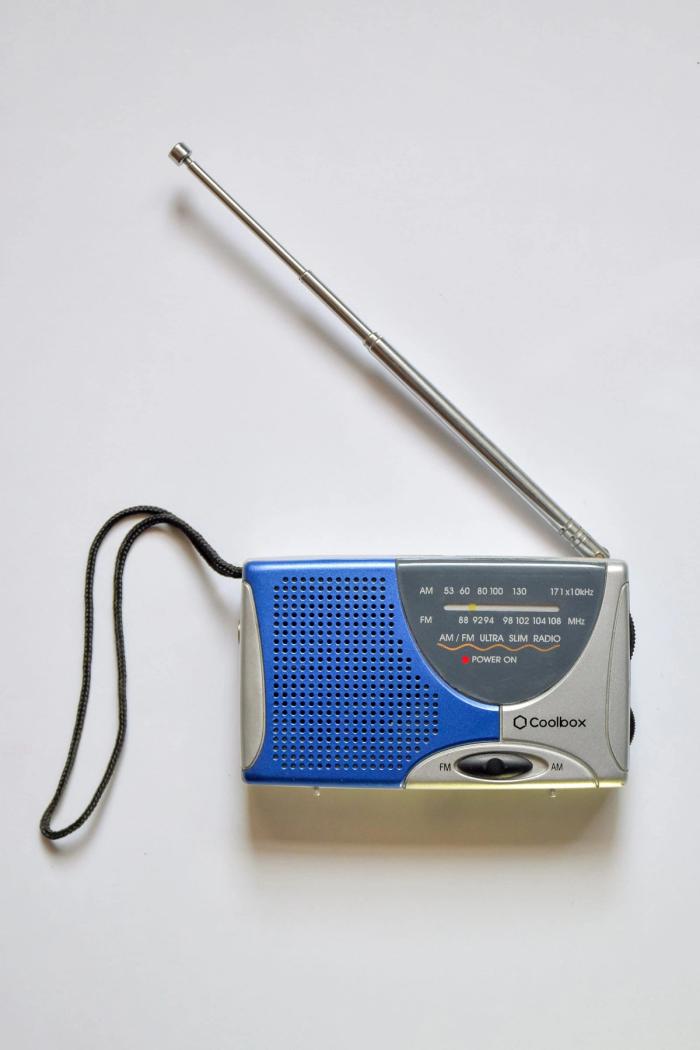
An English and Luganda market centred on Kampala, with strong local FM stations.

A Spanish-language market with established AM stations carrying real local identity, particularly in Caracas.

A Portuguese-language market centred on Luanda.
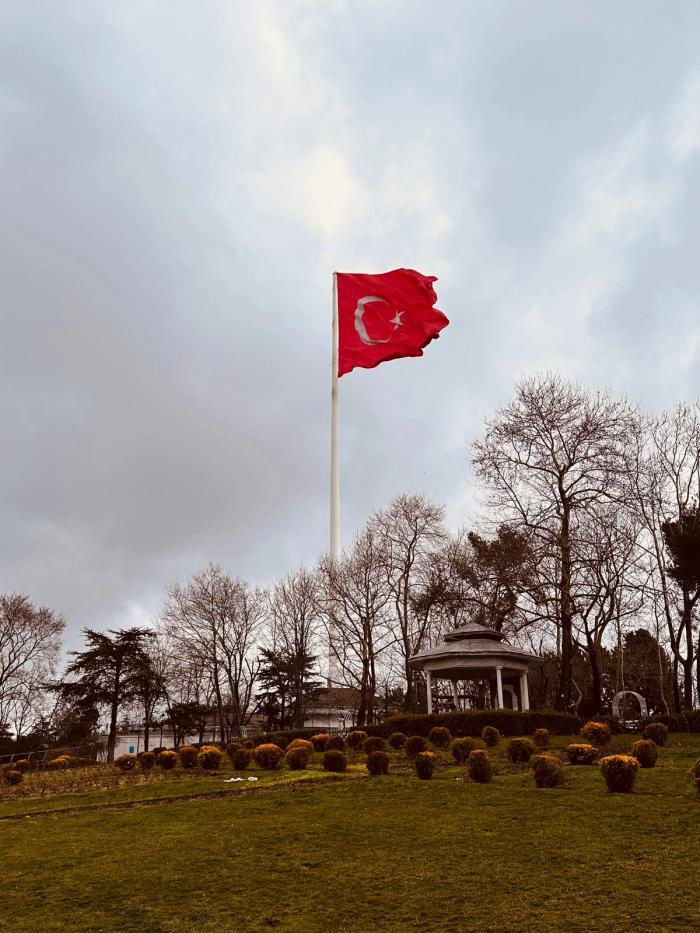
A large Turkish-language market spanning Europe and Asia, anchored by Istanbul.
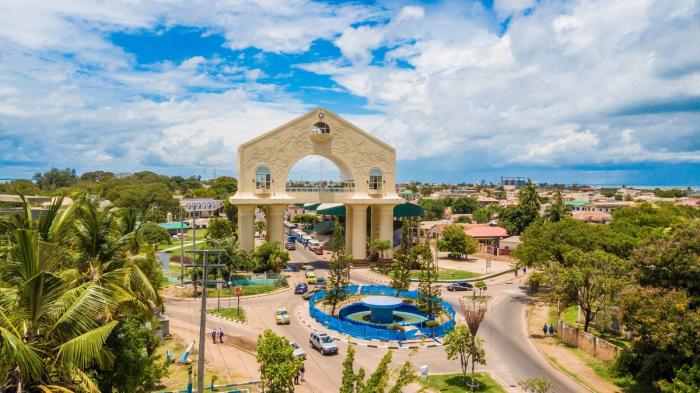
An English and local-language market centred on Accra, with a strong tradition of Christian and community radio.

A trilingual Arabic, French and English market centred on Beirut.

An English-language Caribbean market with established commercial FM stations.

A Greek-language Mediterranean market anchored by Athens.
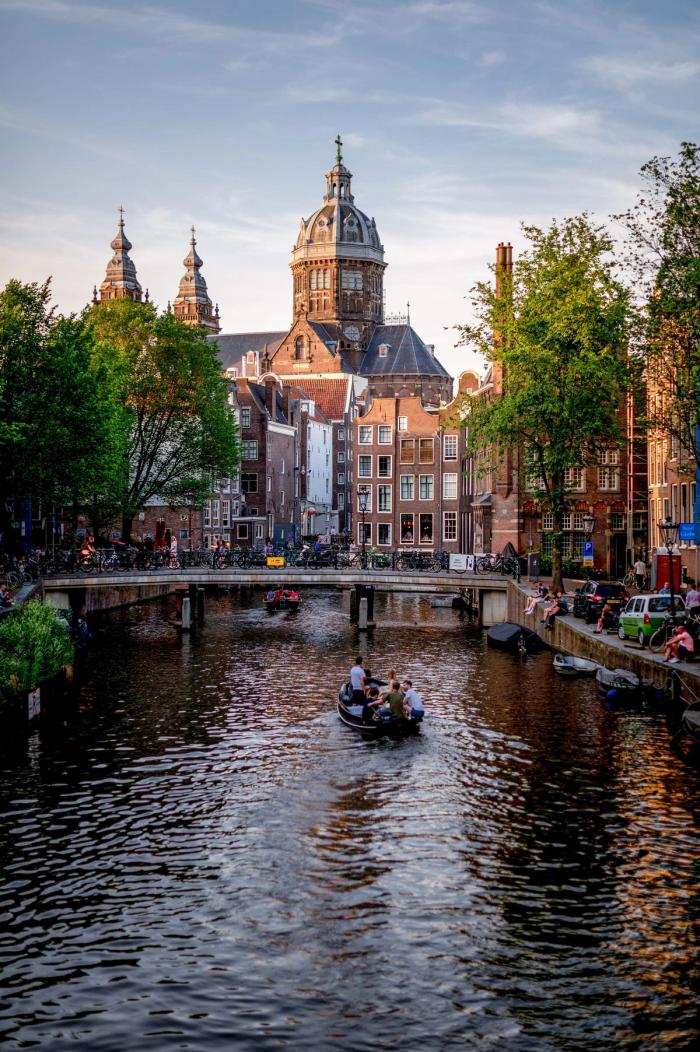
A Dutch-language market with international, English-language stations for Amsterdam’s expat and business community.
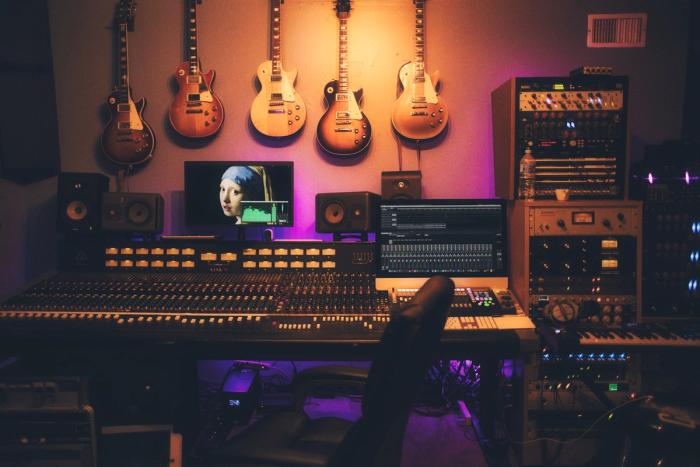
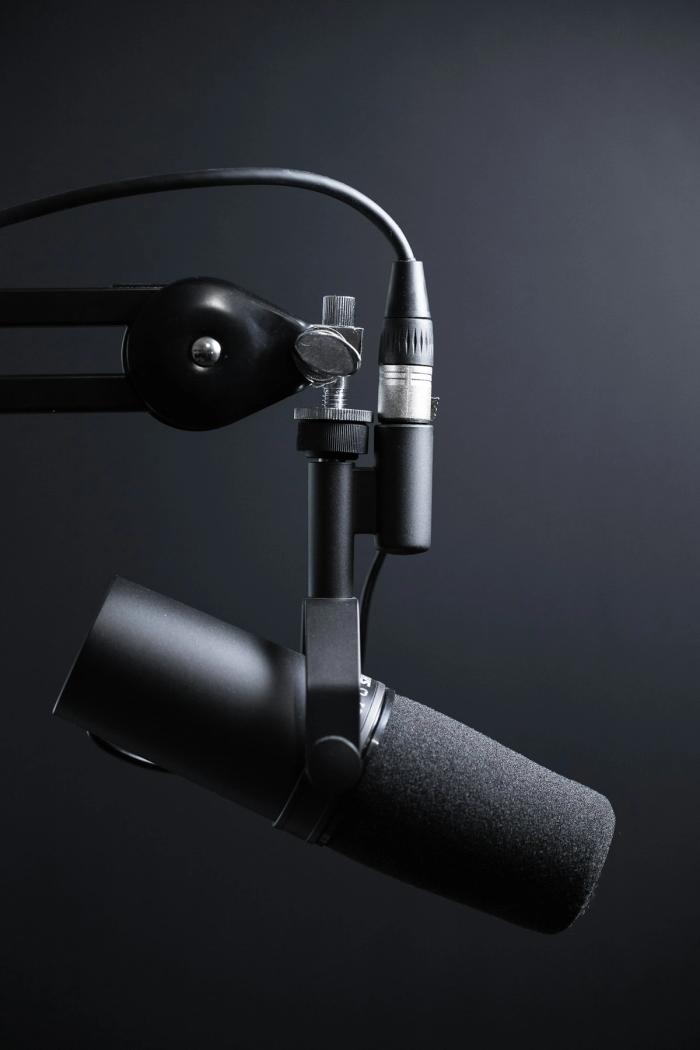
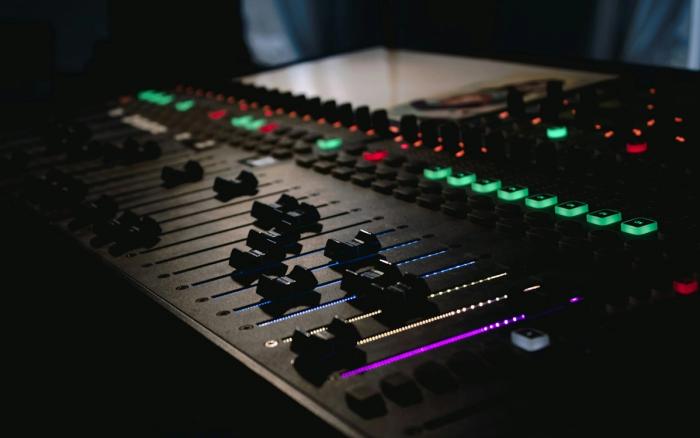
Radio stations we buy on
Real stations with published packages, across every market we cover. Every campaign is quoted against current availability.



What it costs
Radio is quoted per station, spot length, time band and number of broadcasts, which is why a single published rate would be wrong for most briefs. What does hold across the market is the shape of the pricing, and the daypart moves it more than anything else. A costed schedule against named stations comes back with the plan, usually within a business day.
Nothing here is a published rate card. Rates are confirmed per station, campaign period and booking.
Get a costed schedule| Format | Breakfast | Daytime | Drive |
|---|---|---|---|
| Recorded spot, 30 seconds | Highest demand | Best value | Highest demand |
| Recorded spot, 15 seconds | Below the 30-second rate | Below the 30-second rate | Below the 30-second rate |
| Presenter mention | Priced above a spot | Priced above a spot | Priced above a spot |
| Time check or feature | Quoted per week | Quoted per week | Quoted per week |
| Programme sponsorship | Quoted per period | Quoted per period | Quoted per period |
How a radio campaign gets on air
The same five steps in every market. The country and city pages fill in the local detail.
Set the priorities
Markets, audience, objective, dates and a working budget. The order you rank the markets in is what lets the budget follow the best opportunity.
Build the station shortlists
Stations, language audiences, programmes and time bands compared per market, then cut to the ones that fit the brief and the money.
Make the plan comparable
Every market written up on the same schedule and commercial fields, so options from different countries can be read side by side.
Prepare the audio
The confirmed message is timed, adapted per language, recorded and delivered in the format each broadcaster asks for.
Coordinate and document
Schedules are confirmed before launch, and the campaign record agreed at booking is collected after broadcast.
Planned and bought by
Excellent Publicity
The same desk that books outdoor and transit campaigns across the region plans the radio schedules on this site.









Who advertises on radio
Six categories where the medium does something the others cannot.
Retail and grocery
A price, a date and a location, repeated into the drive home. Radio is one of the few channels that can move footfall inside the same week.
Property and developers
Launch weekends live or die on turnout. A daypart-weighted schedule across the two weeks before an open house does that work.
Automotive
The audience is literally in the product while the ad plays, which no other medium can claim.
Banking and finance
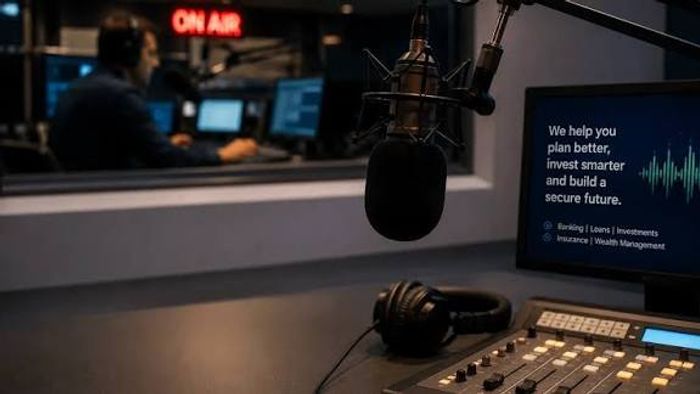
Rates, offers and reassurance need explaining. A presenter mention buys the seconds a banner never gets.
Healthcare and clinics
Trust is the whole purchase. A familiar station voice, repeated over a month, is how a clinic becomes the one people remember.
Government and public campaigns
When a message has to reach every language community in a market, the station list is the reach plan.
“Excellent Publicity is a media buying and planning agency which do not act as a booking directory but rather act in accordance with enquries received. The enquries are forwarded to a specially dedicated team that manages station selection, negotiations, script and audio production and broadcasting. Usually, the clock starts when vendor/station rates are in hand irrespective of when the brief arrives. We establish clarity on the brief, the client's base, their objective and their target group before we begin to work. We do not promise a specific station or slot before availability is confirmed.”
Common questions
What does radio advertising cost?
It is quoted per station, spot duration, time band and number of broadcasts, and it moves with the season. You get a costed schedule against named stations rather than a rate card that would be out of date by the time you read it.
How long does it take to go live?
A station shortlist and costed schedule usually come back within a business day of a clear brief. After that the timeline is set by audio production and the broadcaster's own copy deadline.
Do you produce the audio?
Yes. Scripting, voicing, translation and delivery in the format each broadcaster asks for, timed to the duration you have booked.
Can one campaign run in several languages?
That is the normal case in this region. One central offer, then versions written for the phrasing and pacing of each language rather than translated word for word.
How do I know the ads actually ran?
Through the record the broadcaster provides: a confirmation, a broadcast log or an agreed monitoring report. Which one applies is named in the plan before you book.
How is radio response measured?
A trackable number, a landing page, an offer code or a market-level sales measure, chosen to match the objective and read against the broadcast dates.
Get a station plan
in 24 hours.
Send the markets, the listeners you want, your dates and a budget range. No obligation.